Sheena was my dog. Small, fluffy, black and tan, with pointed ears, little eyebrow patches, and a face that always looked happy to see me.
She’s no longer here. For this experiment, I wanted to give a little of that happiness somewhere to live.
So I made her into an animated pet for Codex.
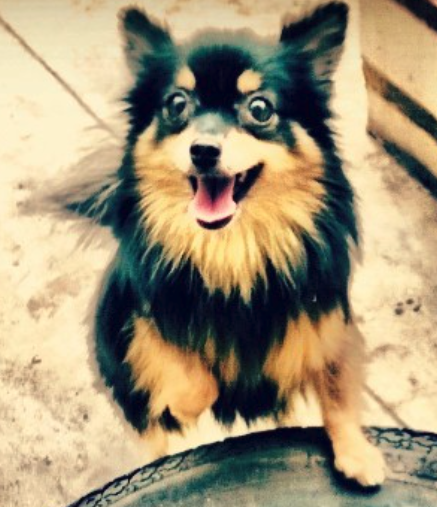
It started with this photo. Her expression was already the brief: bright eyes, fluffy cheeks, and that open-mouth smile.
The next piece was a character sheet showing her from the front, side, back, and three-quarter view. It also included her face and coat colors. That gave the animation process a more complete reference for her shape, markings, and curled tail.
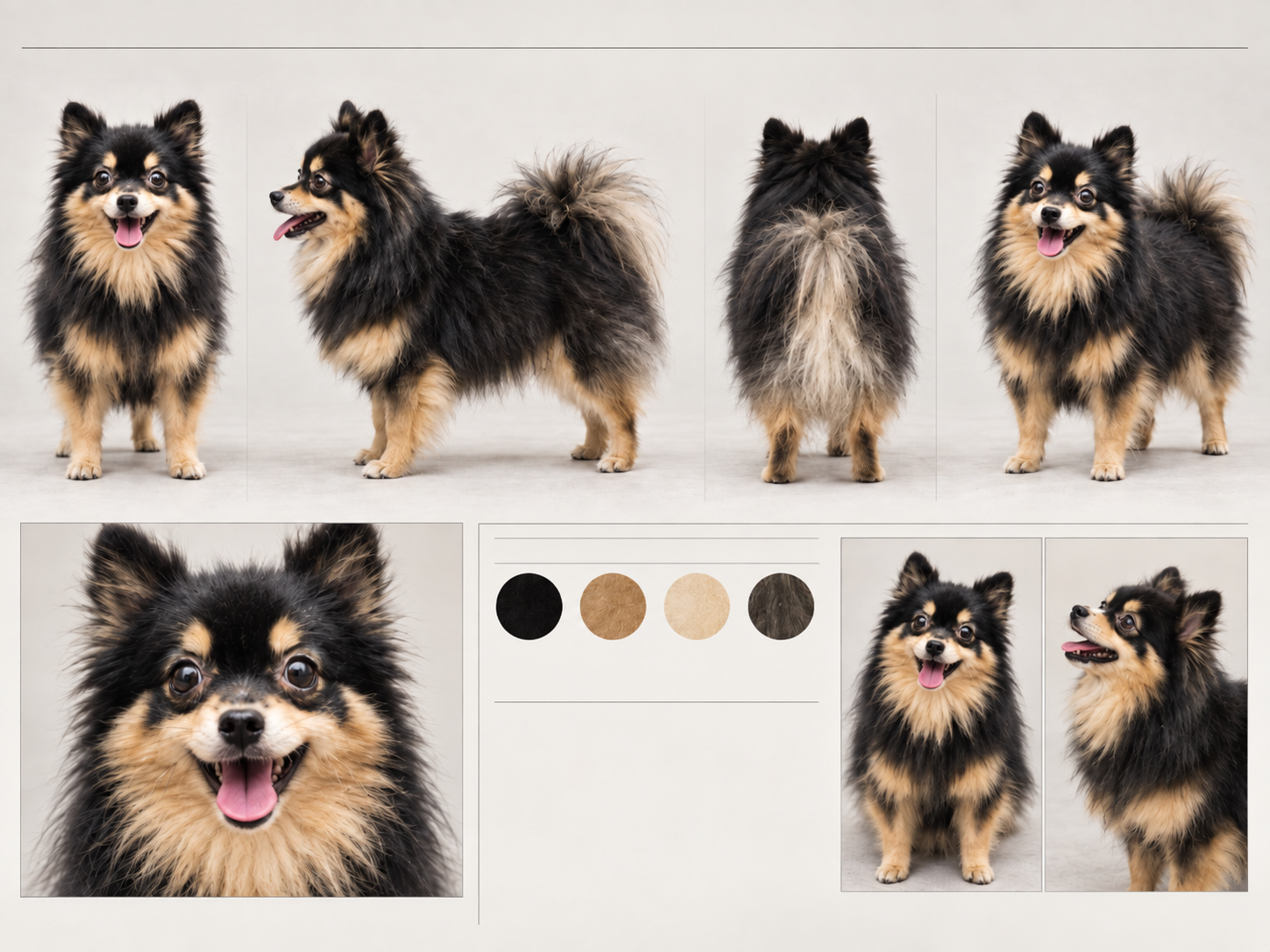
But getting her appearance right was only part of it. I wanted the pet to feel like Sheena.
The personality brief I gave Codex was simple:
Bubbly. Happy to see me all the time.
That shaped the poses: a bright smile, a raised paw to say hello, playful little jumps, and an expectant head tilt when she wants attention. Her quieter moments still needed to feel affectionate, with gentle breathing and blinks.
Using Codex with the hatch-pet and imagegen skills, we created a main reference image, then generated her animation poses from it. Keeping that main reference attached helped preserve her face, fur, and proportions as the poses changed.
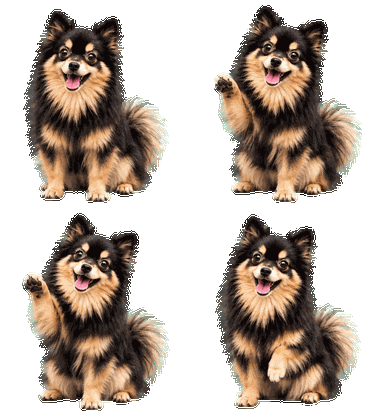
There was some real assembly work behind that small greeting.
One early pass flattened her jump because the frame extraction lined the poses up too evenly. Another attempt at mirroring her rightward trot clipped parts of her paws. We corrected the extraction to preserve her vertical movement and generated the leftward trot directly.
Those details mattered. A familiar dog suddenly changing size or losing part of a paw would pull me straight out of the experience.
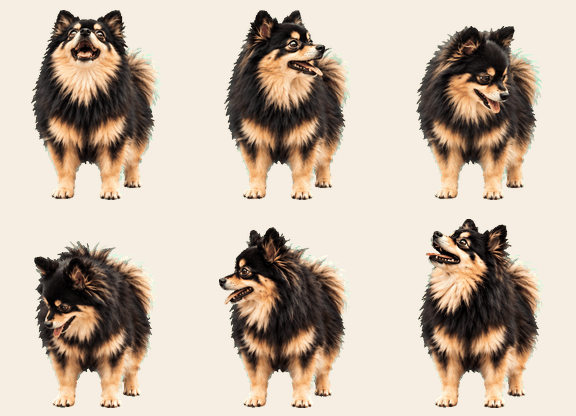
We also built sixteen look directions, using natural head turns and eye movement while keeping her paws and lower body steady. The four main directions—up, right, down, and left—were checked first, then the intermediate poses filled in the loop.
The finished pet has nine animations, covering resting, trotting in either direction, greeting, jumping, and reactions for waiting, working, reviewing, or a failed task. It’s packaged as a Codex v2 pet, with a transparent animation sheet. The format checks and independent visual reviews passed before she was installed.
I can share that package too. All the work that went into her face and movement travels with it.
Download Sheena’s Codex pet package.
What I like about this experiment is how specific it is. It began with one dog, one photo, and one thing I wanted to preserve: how happy she was to see me.
Now there’s a small animated version of Sheena that can sit beside my work, look around, and raise a paw in greeting.
That feels like a good reason to build something.